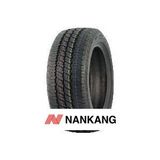
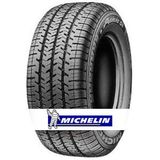
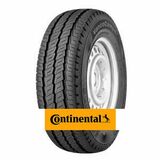
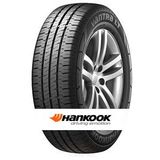
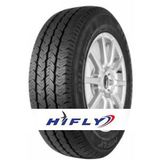
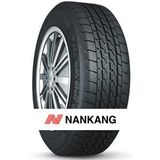
How to choose the right tyres for a caravan or trailer?
Choosing your tyres shouldn’t be limited to size alone. For optimal safety, check these three key criteria:
- Maximum Authorised Mass (MAM): Your tyres’ load index must match or exceed the actual weight of your trailer (often 500 kg or more).
- Tyre construction: A reinforced carcass is required to support heavy loads without risking tyre distortion.
- Intended use: Standard tyres may suffice for a light trailer, but for a heavy caravan, a dedicated tyre is essential to limit snaking.
Grip500 advice: Never mix two different tyre constructions on the same axle. For perfect stability, always replace tyres in pairs.
Understanding the specific "C" marking
On the tyre sidewall you will often find the letter "C" after the size (e.g. 185 R14 C).
- What does it mean? "C" stands for "Commercial". It indicates the tyre is reinforced to withstand higher pressure and high load stresses over long periods.
- Why is this crucial? These tyres are built with additional carcass plies to handle higher pressures and heavy loads.
- The CP marking: Specifically developed for motorhomes, it offers improved resistance to distortion during prolonged parking (winter storage).
What pressure for a caravan or trailer tyre under load?
For a trailer or caravan tyre, pressure generally ranges between 3 and 4.5 bar depending on total weight. These tyres (especially those with the reinforced "C" marking) require a much higher pressure.
Inflation is the number-one factor in tyre lifespan. Incorrect tyre pressure can prematurely damage the tyre and make your towing set-up unstable on the road.
Underinflation is the main danger: a tyre lacking air squashes under the load. It then overheats abnormally, which can cause a sudden tyre blowout.
Service life and safety: when should you replace your trailer tyres?
Unlike car tyres, caravan tyres rarely wear out due to mileage. The natural ageing of the rubber is the main risk factor. Even if the tread wear indicator has not been reached, the tyre can become dangerous. Here are the key checkpoints to monitor:
- The 5-year mark: We recommend replacing your caravan or trailer tyres every 5 to 7 years. Beyond this period, the rubber loses elasticity and internal cracking can weaken the structure.
- Actual age (DOT code): To find the manufacturing date, look for the DOT code on the sidewall (4 digits). For example, "4524" means the tyre was made in the 45th week of 2024.
- Warning signs: If you notice cracking on the sidewalls or deformation of the tread, replace immediately, regardless of the tyre’s age.
FAQ
Can you fit car tyres on a caravan?
Not recommended if the load index is lower than that specified for your towing set-up. Caravan tyres have stiffer sidewalls that limit sway and support heavy loads better than standard car tyres.
Do trailer tyres need balancing?
Yes, balancing is essential to eliminate vibrations that damage your bearings and axles. A well-balanced tyre ensures even wear and better stability on the road.
Do you need winter tyres for a caravan or trailer?
It is not mandatory, but we recommend using winter tyres for driving on snow or in cold weather. Some countries require tyres with the 3PMSF marking to ensure grip and safety on slippery surfaces.