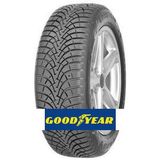
Why fit your car with winter tyres?
As soon as temperatures consistently fall below 7°C, a summer tyre’s rubber hardens, losing elasticity and effectiveness. In contrast, winter tyres use silica-rich compounds that remain supple even in severe cold.
Their performance is based on two key technical features:
- Deeper tread: With a tread depth typically between 8 mm and 9 mm, a winter tyre offers superior water clearance. This helps disperse water and slush more quickly, reducing the risk of aquaplaning.
- Sipe-rich tread pattern: The tyre features thousands of fine grooves (sipes) that create a "claw effect" on ice and snow. They multiply the biting edges to ensure maximum traction on loose surfaces.
On average, winter tyres reduce braking distances on snow by 20% to 50% compared with a summer pattern, ensuring precise control of your trajectory.
Markings and standards: How to recognise a certified winter tyre?
To choose the right tyres, it’s essential to understand the markings on the sidewall:
- The 3PMSF (Three-Peak Mountain Snowflake) marking: Symbolised by a snowflake inside a three-peaked mountain, this is the benchmark standard. This label guarantees the tyre has passed standardised performance tests on snow. It is the only marking that ensures genuine traction and braking capability in severe winter conditions.
- The M+S (Mud + Snow) marking: This indicates the tyre is suitable for muddy or snowy roads. However, unlike 3PMSF, it is not based on certified performance tests. In many countries, only the 3PMSF logo is now recognised as proof of compliant winter equipment.
Grip500 tip: Before setting off, always check the specific legislation of the country where you are driving, as the requirement for 3PMSF-certified tyres is becoming widespread across Europe to ensure everyone’s safety.
When should you fit and remove your winter tyres?
Fitting and removal should be guided by weather conditions rather than a fixed date. Fit winter tyres when temperatures consistently drop below 7°C, typically in autumn. Remove them in spring, once temperatures are steadily above 7°C, to avoid premature wear of the cold-weather compound.
Maintenance tip: For your safety, regularly check tread depth. Although the legal limit is 1.6 mm, it is strongly recommended to replace your winter tyres once depth reaches 4 mm, below which snow grip and water dispersal drop significantly.
How to choose your winter tyres?
On our site, you’ll find three brand categories to suit your specific needs and budget:
Premium brands: Ideal for demanding drivers seeking the latest technological innovations, long mileage and top performance in the most extreme conditions.
Quality brands: The balanced choice. These brands offer high-performing, safe and durable tyres, with an excellent performance/price ratio for versatile use.
Budget brands: An economical, reliable solution that complies with European safety standards. These tyres are perfect for drivers who want to stay within the law and drive with confidence in winter.
For full control, our experts always recommend fitting winter tyres on all four wheels to maintain a stable trajectory under braking and in corners.
Winter tyre or all-season tyre: which should you choose?
The choice between a winter tyre and an all-season tyre mainly depends on your environment. Here are the key differences to remember:
| Features |
Winter tyre |
All-season tyre |
| Ideal conditions |
Snow, black ice and severe cold (<7°C). |
Temperate climates and occasional snow. |
| Snow performance |
Maximum: optimal traction and braking on deep snow. |
Effective: good performance on snow, but not as strong as a winter tyre. |
| Use |
Seasonal (swap in spring). |
All year round (no swapping). |
| Safety in severe cold |
Optimal on icy and snowy roads. |
Certified safety (3PMSF) for occasional snow. |